Introduction
A government internship is one of the best opportunities for students and fresh graduates to gain practical experience, develop professional skills, and understand how public sector organizations operate. In recent years, government departments, ministries, public sector undertakings, research institutions, and administrative bodies have introduced various internship programs to help young talent gain exposure to real-world work environments.
Unlike traditional academic learning, internships provide hands-on experience that allows candidates to apply their knowledge in practical situations. Government internships are particularly valuable because they offer insights into policymaking, administration, public services, research, technology, healthcare, education, and many other sectors that contribute to national development.
For students and graduates looking to strengthen their resumes, improve employability, and build professional networks, a government internship can be a major stepping stone toward future career success. Some internships also provide stipends, certificates, mentorship opportunities, and exposure to experienced professionals.
This comprehensive guide explores everything you need to know about government internships, including benefits, eligibility criteria, application procedures, career advantages, preparation strategies, and tips for making the most of your internship experience.
What Is a Government Internship?
A government internship is a temporary training program offered by government organizations to students and recent graduates.
The primary objective is to:
- Provide practical work experience
- Develop professional skills
- Enhance industry knowledge
- Support career development
- Introduce candidates to public sector operations
Internships may be paid or unpaid depending on the organization.
Why Government Internships Are Important
Government internships help bridge the gap between education and employment.
Key advantages include:
- Real-world work experience
- Exposure to government functioning
- Professional skill development
- Career exploration opportunities
- Networking with professionals
- Improved employability
These benefits make internships highly valuable for career growth.
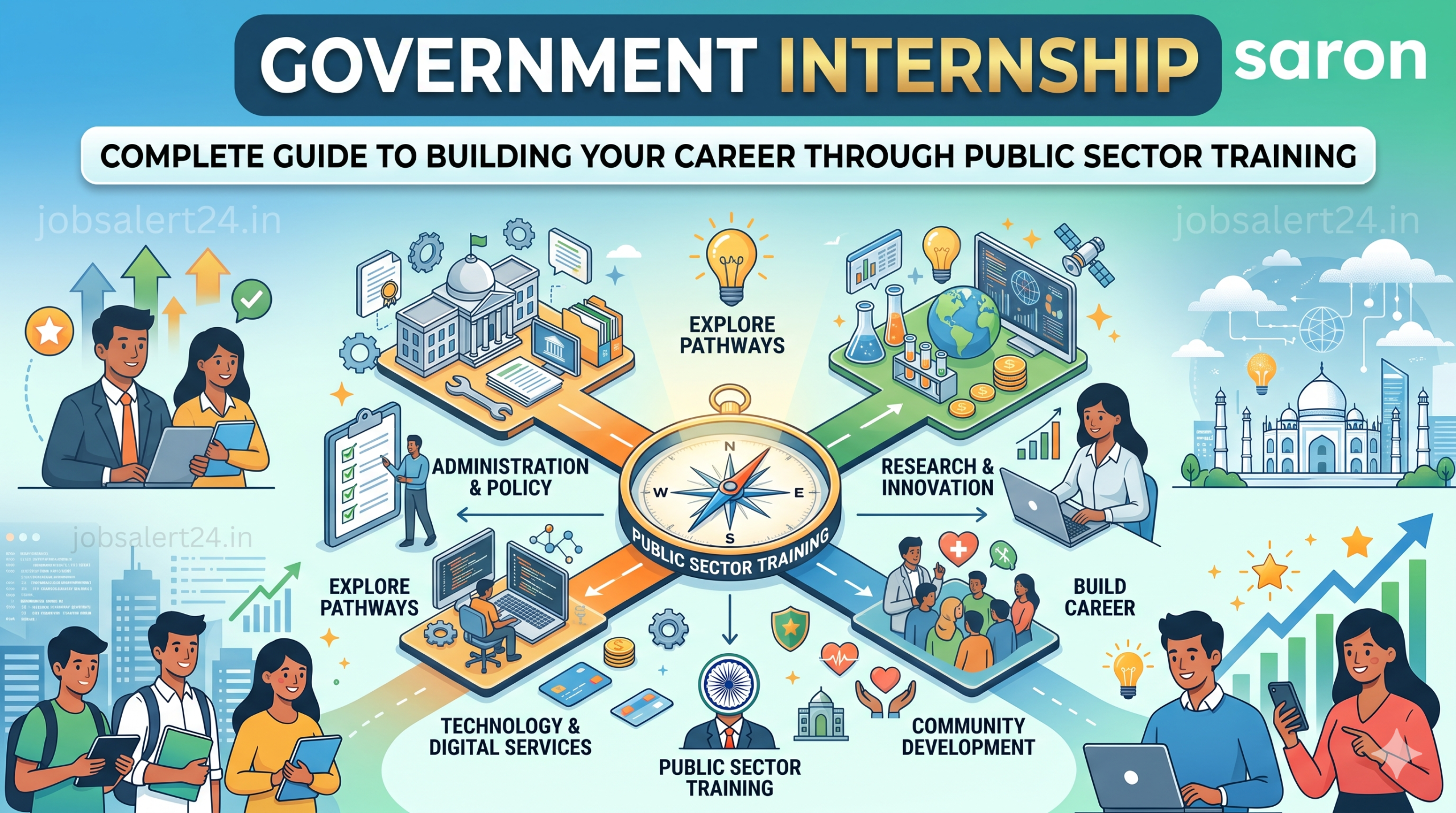
Types of Government Internships
Government internship programs are available in various fields.
Administrative Internships
These involve:
- Policy research
- Documentation
- Public administration
- Data analysis
Technical Internships
Suitable for students in:
- Engineering
- Information Technology
- Computer Science
- Electronics
Research Internships
Research-based internships focus on:
- Data collection
- Surveys
- Academic studies
- Policy evaluation
Government Departments Offering Internships
Many government organizations offer internship opportunities.
Common examples include:
- Government Ministries
- Public Sector Undertakings
- Research Organizations
- Educational Institutions
- Health Departments
- Technology Centers
- Planning and Development Agencies
Each department may have different eligibility requirements.
Eligibility Criteria for Government Internships
Eligibility varies depending on the organization.
Generally, candidates should:
- Be enrolled in a recognized institution
- Meet minimum academic requirements
- Possess relevant educational background
- Demonstrate interest in the internship field
Some internships are also available for recent graduates.
Benefits of Government Internships
Government internships provide numerous career advantages.
Practical Experience
Candidates gain hands-on exposure to professional work environments.
Professional Development
Interns learn workplace communication, teamwork, and problem-solving.
Resume Enhancement
Internship experience strengthens resumes and job applications.
Industry Exposure
Candidates gain insight into government systems and procedures.
Skills You Can Develop During an Internship
Internships help build valuable skills.
Technical Skills
Examples include:
- Data analysis
- Research methods
- Software applications
- Documentation
Soft Skills
Important skills include:
- Communication
- Teamwork
- Leadership
- Time management
- Critical thinking
These competencies are highly valued by employers.
How to Find Government Internship Opportunities
Finding suitable internships requires consistent effort.
Popular Sources
- Government websites
- University career centers
- Official internship portals
- Public sector recruitment pages
- Educational institutions
Regular monitoring increases your chances of finding opportunities.
How to Apply for a Government Internship
The application process typically involves several steps.
Step 1: Research Opportunities
Identify internships matching your educational background.
Step 2: Check Eligibility
Review qualification and age requirements carefully.
Step 3: Prepare Documents
Gather necessary documents before applying.
Step 4: Submit Application
Complete forms accurately and before deadlines.
Step 5: Attend Selection Process
Some programs may require interviews or assessments.
Essential Documents Required
Keep the following documents ready:
- Resume or CV
- Academic Transcripts
- Identity Proof
- Passport-Size Photographs
- Recommendation Letters
- Statement of Purpose
- Skill Certificates
Organized documentation improves application quality.
How to Create a Strong Internship Resume
Your resume is often the first impression.
Include These Sections
- Personal Information
- Career Objective
- Education
- Skills
- Academic Projects
- Certifications
- Achievements
Keep the format professional and easy to read.
Writing an Effective Statement of Purpose
Many internships require a statement explaining your interest.
A strong statement should include:
- Career goals
- Interest in the department
- Relevant skills
- Learning objectives
- Motivation for applying
Personalized applications often receive more attention.
Making the Most of Your Internship
Success depends on your attitude and effort.
Be Proactive
Volunteer for tasks and projects.
Ask Questions
Learning increases when you seek clarification.
Build Relationships
Connect with supervisors and colleagues professionally.
Maintain Professionalism
Follow workplace rules and deadlines.
Common Challenges Faced by Interns
Interns may face several obstacles.
Examples include:
- Adapting to workplace culture
- Managing multiple responsibilities
- Understanding organizational procedures
- Communicating with professionals
A positive mindset helps overcome these challenges.
Common Mistakes to Avoid
Avoiding mistakes can improve your internship experience.
Common Errors
- Missing deadlines
- Poor communication
- Lack of professionalism
- Ignoring feedback
- Arriving late
- Incomplete applications
- Passive participation
Being responsible and engaged creates a positive impression.
Simple Daily Routine for Internship Success
A structured routine improves productivity.
Morning
- Review daily tasks
- Prioritize assignments
Afternoon
- Complete assigned work
- Collaborate with team members
Evening
- Review completed tasks
- Record learning experiences
End of Day
- Prepare for the next day’s responsibilities
Consistency contributes to better performance.
Long-Term Benefits of Government Internships
Internships offer lasting career advantages.
Better Employment Opportunities
Experience often improves job prospects.
Professional Network Growth
Connections can lead to future opportunities.
Improved Confidence
Workplace exposure builds self-confidence.
Career Clarity
Internships help identify interests and strengths.
These benefits can positively impact your career for years.
Build a Sustainable Healthy Lifestyle During Your Internship
Maintaining health is important during professional training.
Stay Physically Active
- Exercise regularly
- Walk daily
- Stretch frequently
Eat Nutritious Food
Focus on:
- Fruits
- Vegetables
- Protein-rich meals
Manage Stress
Practice:
- Meditation
- Deep breathing
- Time management
A healthy lifestyle supports productivity and learning.
How Government Internships Improve Employability
Employers value practical experience.
Internships demonstrate:
- Workplace readiness
- Professional discipline
- Adaptability
- Team collaboration
- Problem-solving ability
These qualities can strengthen future job applications.
Future of Government Internship Programs
Internship opportunities continue to evolve.
Emerging trends include:
- Virtual internships
- Digital project collaboration
- Skill-focused training
- Research-based assignments
- Technology-driven learning
Future programs are expected to become more accessible and flexible.
Frequently Asked Questions (FAQs)
1. What is a government internship?
A government internship is a temporary training opportunity provided by government organizations to students and graduates for practical learning and professional development.
2. Are government internships paid?
Some internships provide stipends, while others focus on training and certification without financial compensation.
3. Who can apply for government internships?
Eligibility varies, but most programs accept students and recent graduates from recognized institutions.
4. How long do government internships last?
The duration may range from a few weeks to several months depending on the organization.
5. Do internships help in getting jobs?
Yes. Internship experience improves skills, confidence, and employability.
6. What documents are usually required?
Common requirements include a resume, academic records, identification documents, and recommendation letters.
7. Can internships lead to permanent employment?
While not guaranteed, strong performance during an internship may create future employment opportunities.
Conclusion
Government internships provide an excellent opportunity for students and graduates to gain practical experience, develop professional skills, and understand the functioning of public sector organizations. They serve as a bridge between academic learning and real-world work environments, helping candidates build confidence and workplace readiness.
Beyond skill development, internships offer valuable networking opportunities, exposure to experienced professionals, and a deeper understanding of government operations. Whether your career goals involve public administration, research, technology, healthcare, education, or policy development, a government internship can provide meaningful experience that strengthens your professional profile.
Success during an internship depends on preparation, professionalism, continuous learning, and a willingness to take initiative. Candidates who actively participate, seek feedback, and maintain a positive attitude often gain the greatest benefits from their experience.
As government organizations continue to invest in talent development programs, internship opportunities are expected to grow in both availability and diversity. By taking advantage of these programs, students and graduates can build a strong foundation for long-term career success and future employment opportunities.